Substance use
Withdrawal for the Correctional Nurse
Recognize, monitor, and escalate alcohol, opioid, benzodiazepine, and stimulant withdrawal.
2.5 contact hours$29.95
Specialized continuing education
Corrections is its own specialty. Our classes teach the assessment, clinical judgment, and communication that practice behind the wall demands, grounded in research and real correctional experience.
Seventeen years ago, we went looking for continuing education that actually considered the environment where correctional nurses practice, and found very little. So we built it: research-based classes, updated regularly, many drawn from national correctional health care conference presentations.
Every class is online, available for a full year after purchase, and backed by a real person who answers questions, usually within 24 hours.
Short modules you can start and stop. Access lasts one year from purchase.
Content opens section by section, with audio for many lessons. See a lesson with sound clips.
Finish the final review and download your certificate of completion.
We have worked with groups from 5 to 700 nurses, including the Washington DCYF; McLennan County, TX; Linn County, IA; New River Valley Regional Jail; Blue Ridge Regional Jail; Cheshire County, NH; and American Medical Staffing.
In keeping with California Board of Registered Nursing requirements, every class with patient-care content includes an Implicit Bias in Practice module, with a correctional scenario and a reflection question. For a deeper look, see Implicit Bias in Healthcare for the Correctional Nurse.
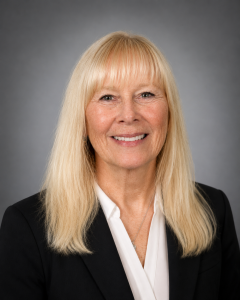
Dr. Lori Roscoe brings about 30 years of experience in correctional nursing, clinical practice, nursing education, and consultation. She is President of the American Correctional Nurses Association and writes for correctional nurses at CorrectionalNurse.net.
Read more about LoriRecognize, monitor, and escalate alcohol, opioid, benzodiazepine, and stimulant withdrawal.
Objective, defensible charting for the correctional setting.
Screening, risk assessment, and the nurse’s role in prevention.
Noticing, interpreting, and responding when the answer is not obvious.
Safe pill line practice, from verification to refusals.
Care that recognizes how past trauma shapes every encounter.